Just saw Incepi post that these are back is stock. Not exactly Willits style but it’s got that look to it. Pre-shaped for 1.125" round dropouts. Seems like a bargain at that price.
They are really good. Been using Incepi disc tabs since I started. Eric lives down the street from me so I can go pick them up in person.
2 Likes
How did this design work out all these years later? I’ve been inspired by your fork. Haven’t put pen to paper but have been thinking about a similar style for bikepacking/gravel bike. So enough strength for rough riding is a consideration.
1 Like
It worked well for about 6 years on my daily commuter, with 3 or 4 of those running a front e-bike motor. The fork failed when the front wheel self ejected from the hub motor not having a good torque arm and the wheel experiencing cyclical loading of brake and motor torque. Luckily I stepped off of the bike during the failure and got away with no injuries.
It was used for mixed surface commuting and often with a kid on the bike too.
The replacement is very similar except that it uses the much more stout Nova disc blades (which didn’t exist when I built the first fork) instead of the comparatively light Columbus SL blades of the original.
If I were building it again I’d make the tab contact the fork blade at a tangent instead of on centerline.
3 Likes
Reviving this old thread to ask a question
I’m designing a disc brake cargo fork right now and I’ve noticed that disc specific fork legs thicken up toward the top of the leg. The middle and bottom of the leg use similar wall thickness as non-disc forks. I’m wondering what’s up with that? Is it just strengthening areas where forces are distributed through a fork under braking?
Columbus pre-raked disc fork blades - 28x19 oval - 1.2/.9 wall - 475mm – Framebuilder Supply
While I’m here I have another more practical question.
When attaching plate style drop out, what is the strongest way to weld/braze to the fork leg.
These pictures are supposed to represent a top down, cross sectional view of the fork with the circle being the fork leg, and the rectangle being the plate drop out.
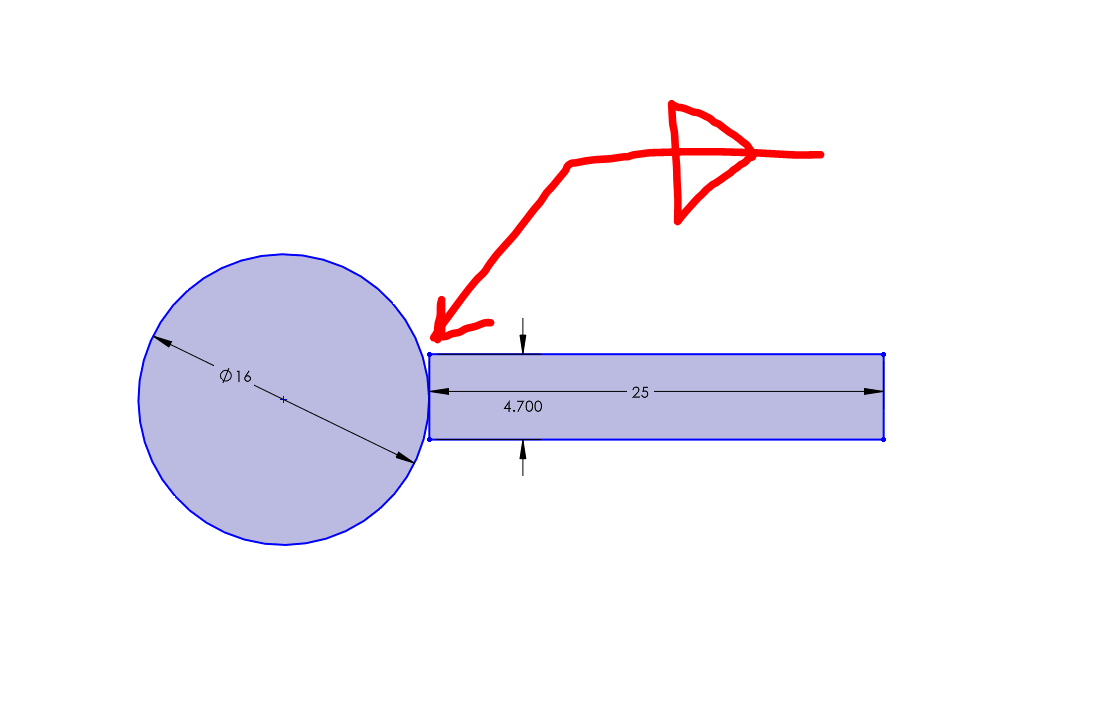


Hopefully I’m getting my point across with these images. My instinct leans toward the last image, with the dropout plate extending completely inside the fork blade if that make sense.
1 Like
The dropouts and tabs have to align to the standards so that’s your first job. Then you’ll want to miter them all to provide the most surface area for brazing.
If you are welding, then I can’t really help you.
1 Like
Most BMX forks use that style of dropout and have the plate sitting about where you have it in the second position shown, with a bias towards the hub/centre-line of the bike. Granted all BMX forks are TIG welded. Best fillet brazed example I can find is the following set of pics from this Black Cat 29er. Also shown here without paint on Todds Instagram (7th Pic). Same position is used.
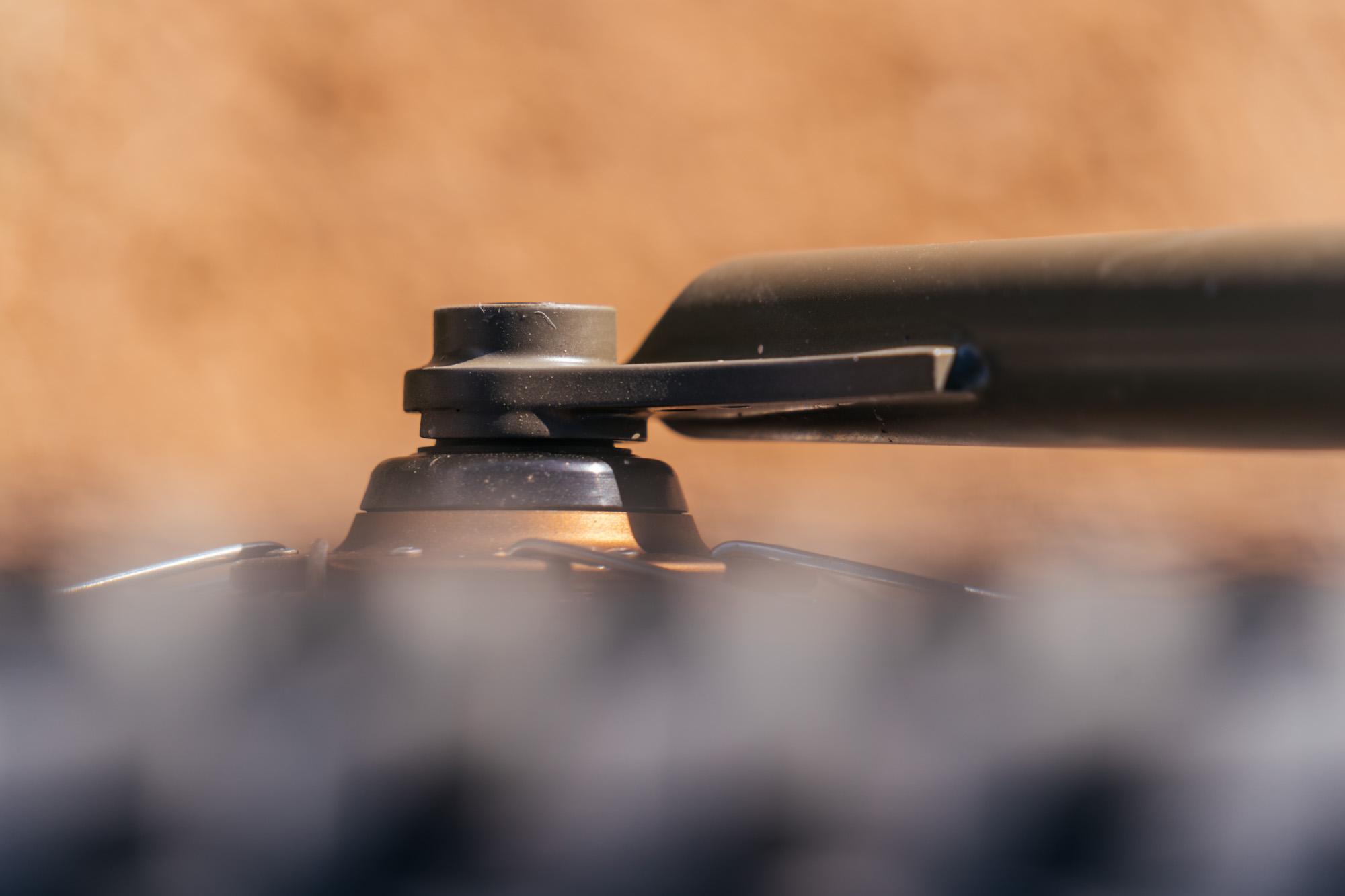
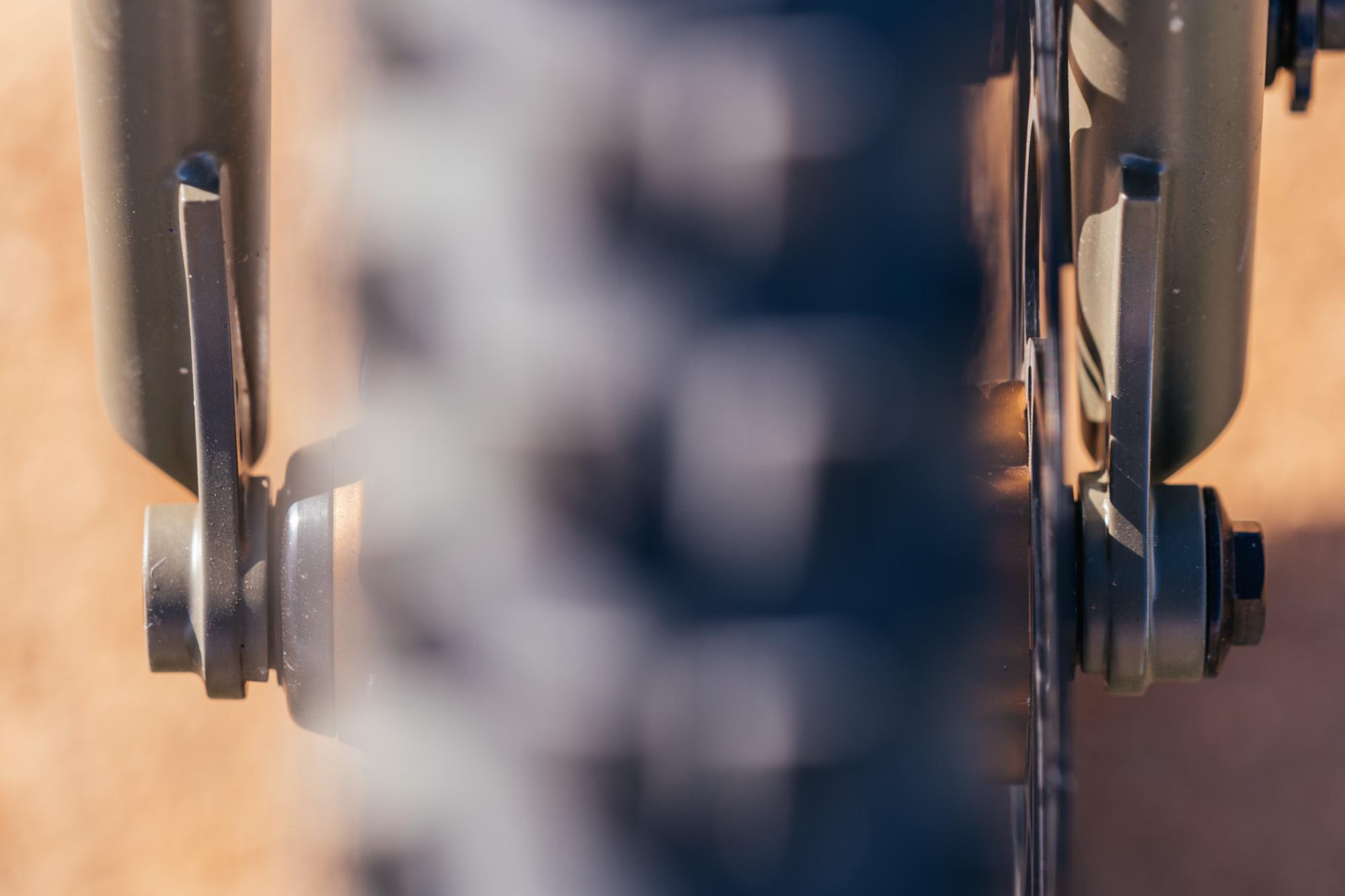
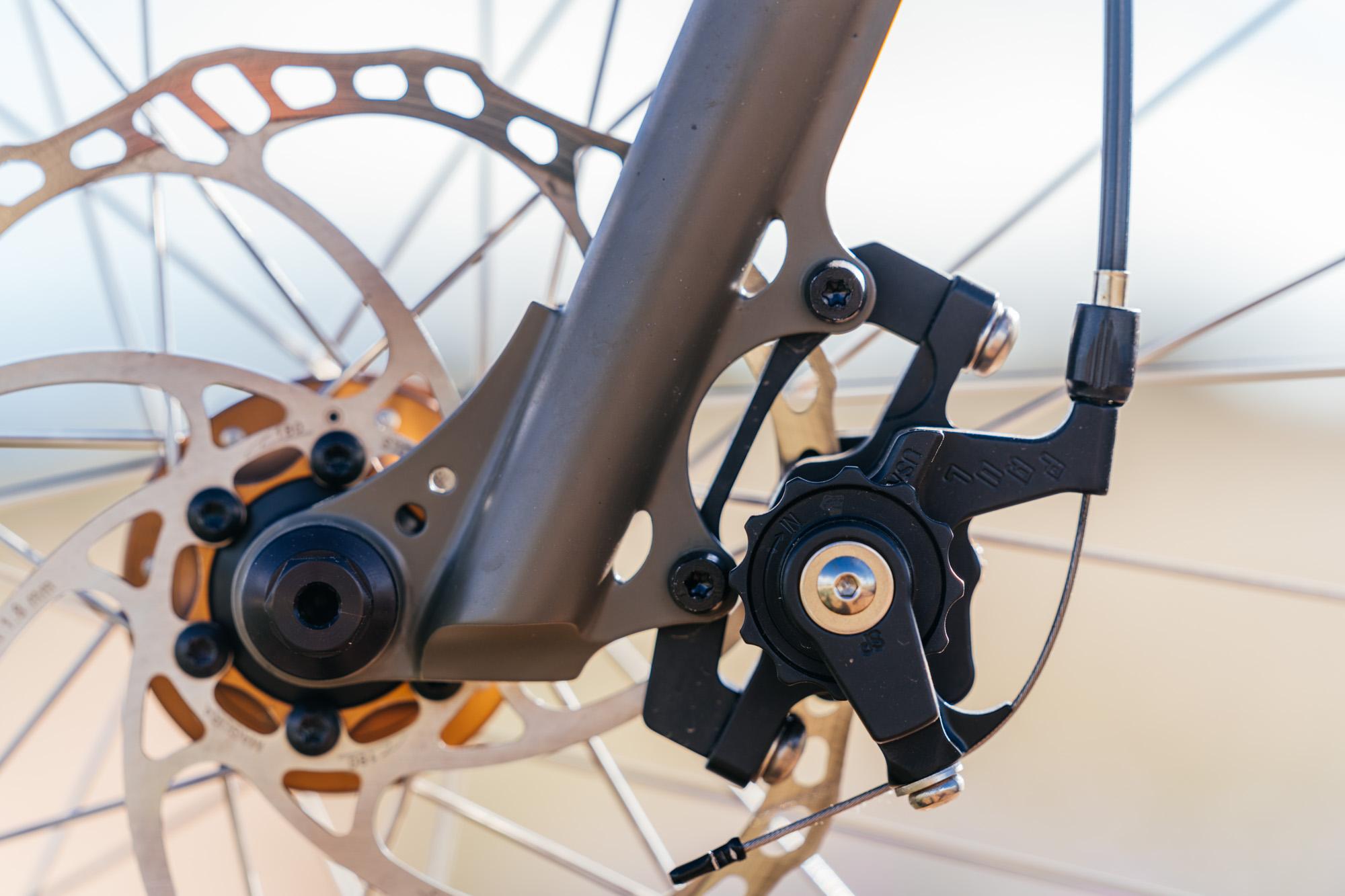
I’d say the third option is plenty strong too but would look kinda ugly IMO. Maybe with brass you can get the shapes to flow together nicely. First option seems like you’re asking for trouble.
1 Like
Good stuff. Thanks!