since I am building frames I wonder how one can build a really light frame. The once that I build are always around 2 kg. It doesn’t matter if I use Columbus Spirite tubing and fillet braze the tubes, or if I build a frame with luggs…zona tubbing just adds a bit of weight…
I need frames between 56 und 58 saddle hight.
The internet now tells me,
~1650g - 1700g: Found in performance-oriented builds with tapered head tubes and modern standards, balancing weight with rigidity.
~1790g: A custom build example with integrated cable routing and a T47 bottom bracket.
~1960g: A robust, tig-welded frameset designed for endurance and gravel, using Spirit tubing.
I will look forward to what others say too. I ride a 50ish cm road bike and even with Columbus KL haven’t had a frame less that about 3.25lbs/1500gm, and that’s with traditional diameters and less material in the dropouts and such. The little gravel frame I recently stripped of paint weighs about 4.3/1925 and has .9/.6 walls and OS1 diameters, some Zona, fillets, disk dropouts and a bunch of braze ons. Andy.
Try to build a smaller frame that still matches my body dimensions . For example by using the max possible length of the seat tube length so that the seat post reaches the minimum insertion line
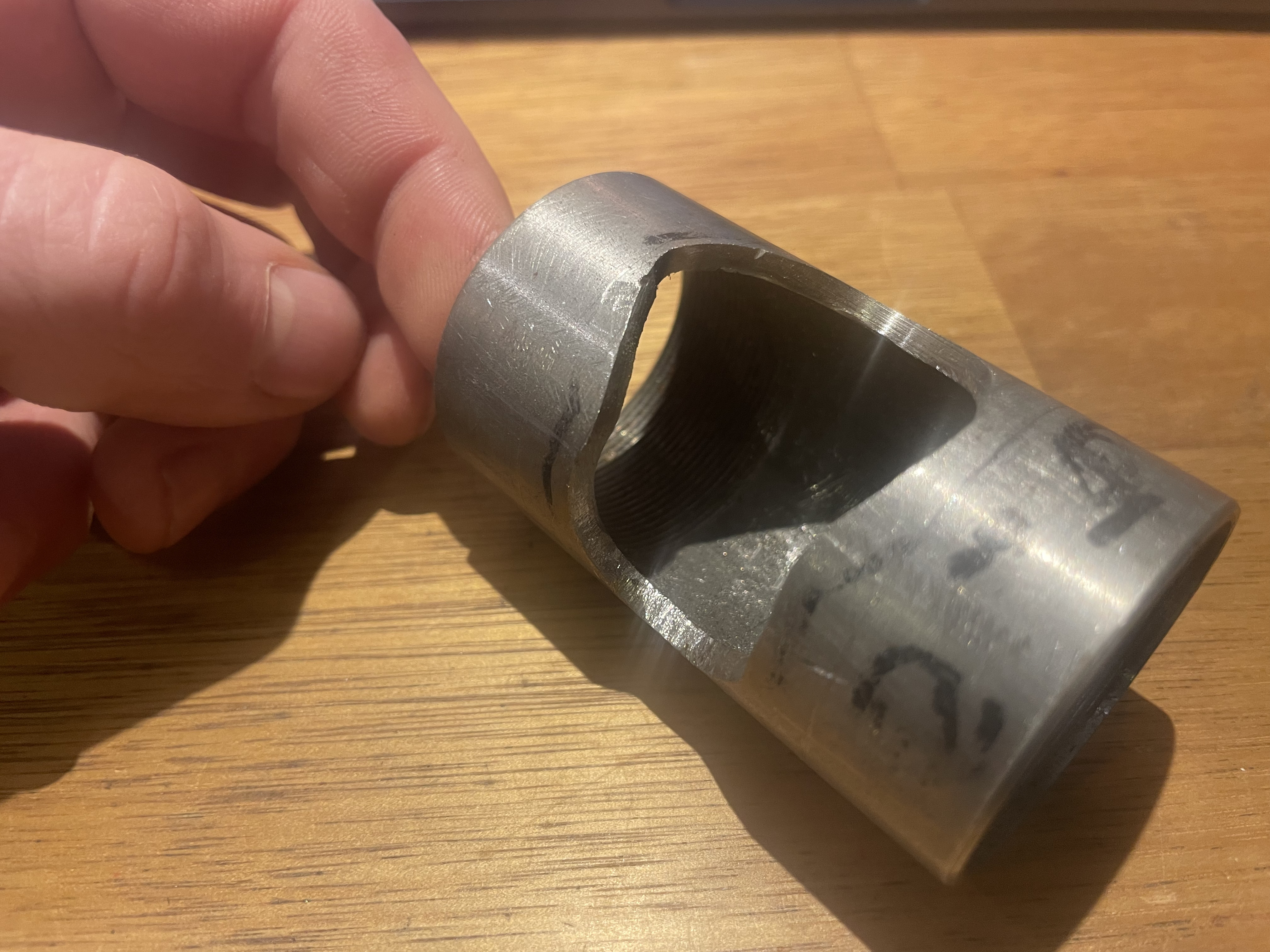
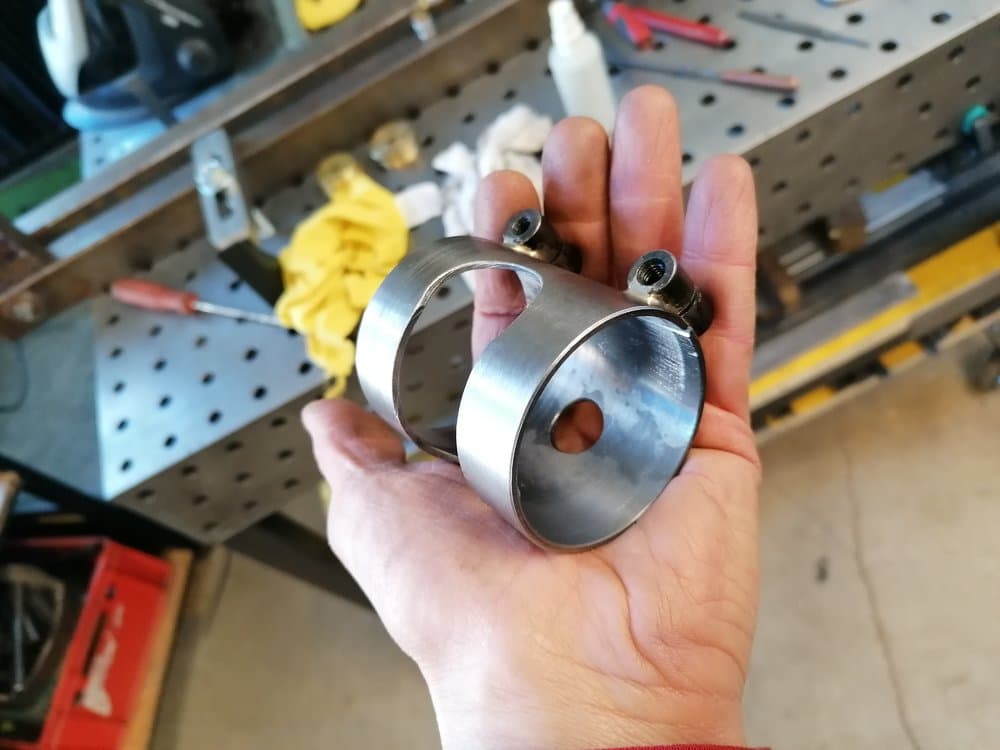
Carve out some of the bottom bracket shell
Reduce the material underneath every other tube joint
Consider the use of older group sets (lighter and tend to be cheaper. For example sram red and force)
Use light components (so one builds a light bike and not just a light frame)
Mine usually come in at around 1.6kg to 1.7kg excluding the fork, using Reynolds 631 in .8/.5/.8 and standard sizing (1” TT, 1 1/8” DT). You can save a lot on the total bike weight by using a carbon fork (they’re about 300g compared to more like 1kg for a metal one).
Oversizing the tubes can easily add a few hundred grams (although that isn’t a great reason not to do it– I just like the ride feel of standard sizing).
Simple things like making the frame smaller can shave a lot of weight. For instance, you can design your seat tube length so your seat post reaches the minimum insertion line. Use a long carbon post to maximize this savings.
Also, it’s helpful to create a spreadsheet that calculates the weight of a tube after it’s been mitered at both ends. Then you can compare tubes from different manufacturers to find the one that will end up with the shortest butt lengths.
Using really small dropouts and adding your own flat mount bosses is typically lighter than going for a dropout with integrated brake mounts.
You can carve out some of the bottom bracket shell.
yes, it’s a shell for a big excentric BB I used on my 43lbs geo-testmule freeride bike to be able to change the BB position. So that didn’t save much weight compared to the whole thing. But that’s a different topic
I also reduce the material underneath every other tube joint.
Could you use an smaller downtube? Like real small, <25.4mm
I remember Slingshot bikes that used a steel cord for it, I also remember their top tubes were ovals so I bet they recuperated some lateral rigidity that way, but I still wonder if one could use a much much narrower down tube, like a 5/8in
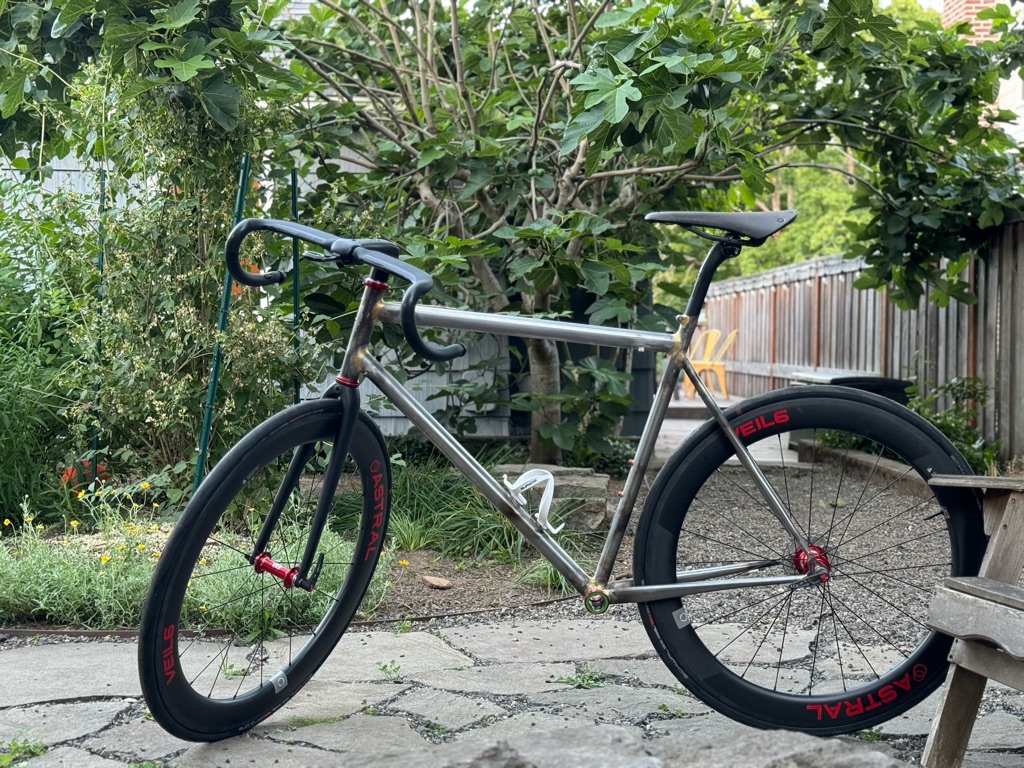
My lightest road bike came in at 17 lb 3 oz (7796 g). That’s without pedals. I never weighed it with the pedals on.
The frame was 3 lb 10 oz (1644 g) of that.
Chainstays: Columbus Life butted road S-Bend chainstays - oval/round - 24 OD - .7/.5 wall - length = 410
Seat Stays: Columbus Life seat stays - 17 OD - .5 wall - length = 560
The bottom bracket shell was a standard 68mm english threaded from Framebuilder Supply.
The head tube was standard too. A straight 36 x 1.1 columbus tube, cut to length.
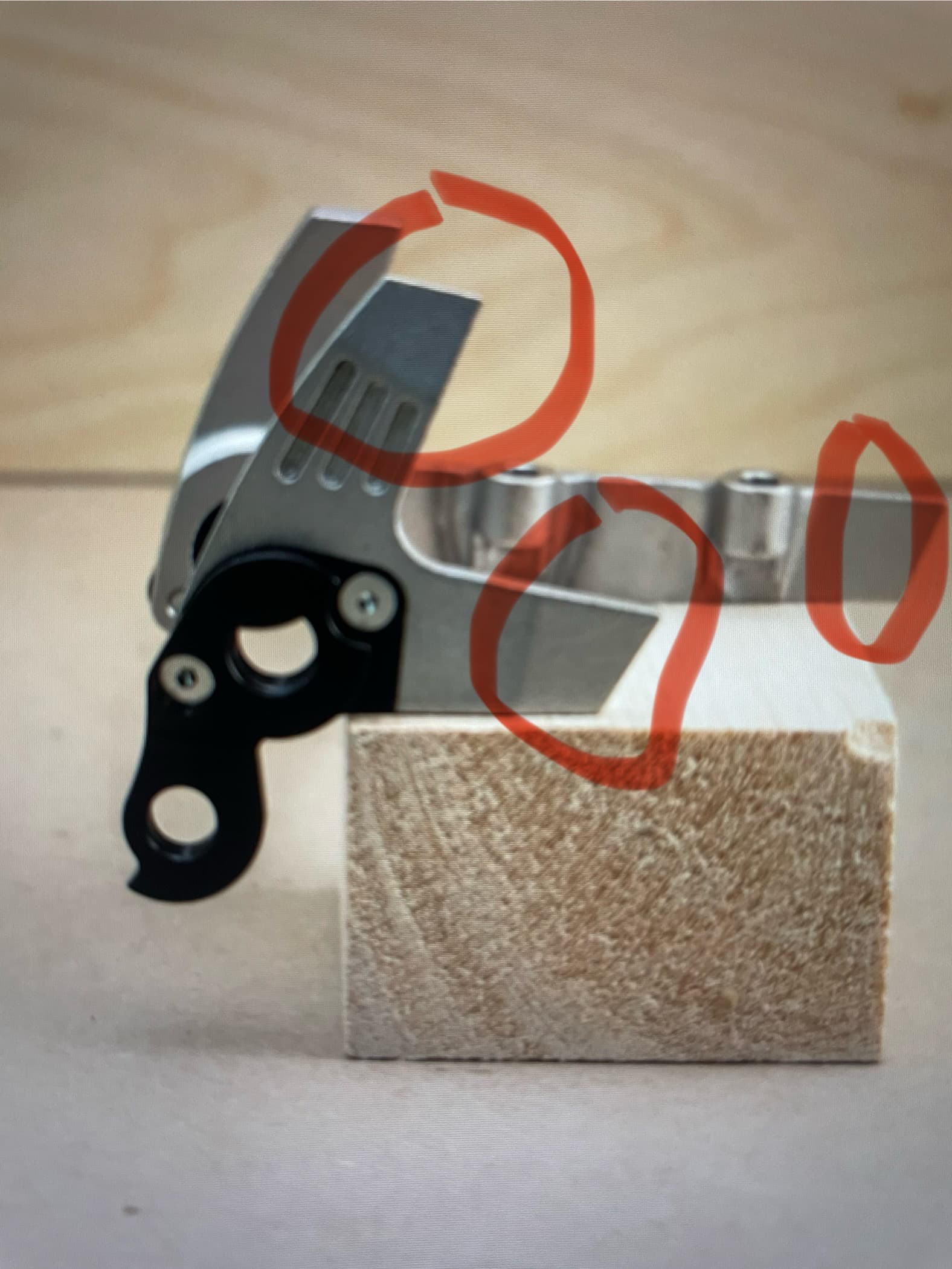
The dropouts were custom laser cut from 5mm plate, with an integrated derailleur hanger. They weighed 125 g for the pair.
And the only other tube in the frame was a seatstay bridge, made of 1/2" x 0.035 aircraft tubing. But it was only like 35 mm long, so added only negligible weight.
Something to consider:
if you’re really going for a lightweight bike (not just a lightweight frame), the components are going to matter a lot. In my opinion, they matter more than the frame.
I could have shaved quite a bit more weight off this build.
Most of the groupset was the Sram Red 2013 road group, but not the crank. I used a white industries crank (781 g) instead of the Sram Red (the GXP road double weighs only 621 g).
And I went with the 60mm deep dish Astral Veil 6 wheels. If I’d used the 32 mm Veil 3 wheels, I’d have saved 105 g per wheel.
But also, for a weight weenie build like this, I think it’s tough to beat the older groupsets, and carbon rim brakes (though I wouldn’t use them for cross!). The 2013 Sram Red 11 Speed rear derailleur weighs only 150 g. The new Sram Red AXS rear deraileur and battery is 375.
Also, going with a very small diameter tube may not have the benefits you’d expect. You won’t find butted tubing in 5/8” diameter, and that makes a surprising difference in the weight of the tube overall.
For example, the 35 mm Columbus Life down tube I mentioned in my post before weighs in at 292 g for a 670 mm tube.
If you use a 5/8 x 0.035 wall tube instead, it will be much, much less stiff. And it’ll weigh 219 grams. And because it’s so much less stiff, you may need even thicker wall diameter than 0.035.
In my opinion, there are better places to find 70 grams.
Well you could get rid of the disc brakes, that would save a few pounds
My first spirit road frame I opened up huge holes in the head tube and BB shell underneath where the main tubes landed. The biggest hole was in the head tube, under the down tube. Eventually a crack opened up there and spread into the down tube, that was the end of the frame. The replacement frame is 15 grams heavier now without this feature, I’ll look at the rider for future weight savings.
@Noel IME, riding a super thin diameter tubed bike and trying to put power down…..especially under chaotic race setting like CX…….doesn’t inspire confidence and feels bad to ride. When trying to corner the bike hard, climb out of the saddle, or really much of anything other than sitting in the saddle and putting out a steady albeit modest power output you’ll probably feel some twist in the frame and strange handling charcteristics. Like others have said about components, I also feel that it’s worth looking into. Especially if you’re in the era of rim brake, 10/11s components. Those components are at their peak in tterms of refinement and dirt cheap compared to modern Transmissoin/UDH stuff or anything 12s AXS.
Me personally, I would look into a fixed seatmast, shallow height / low spoke count carbon rims, or maybe even subbing in a carbon tube where a steel tube would normally be.
Wow, that shell has thick walls! Whatever shell you use, if you have a lathe, you can turn down the center section. Same with headtube (again, depending on what you’re using. I’d use a standard straight 36mm headtube and turn in the center section down 10-20 thousandths. Bontrager actually turned it off center so material was only removed from the front. This left full thickness for joining the top and downtubes to.
Most of the weight difference comes from tube selection, butting and frame design. Modern features like disc mounts, internal routing and larger tubes add weight, so a ~1950 g frame in that size is actually very reasonable.
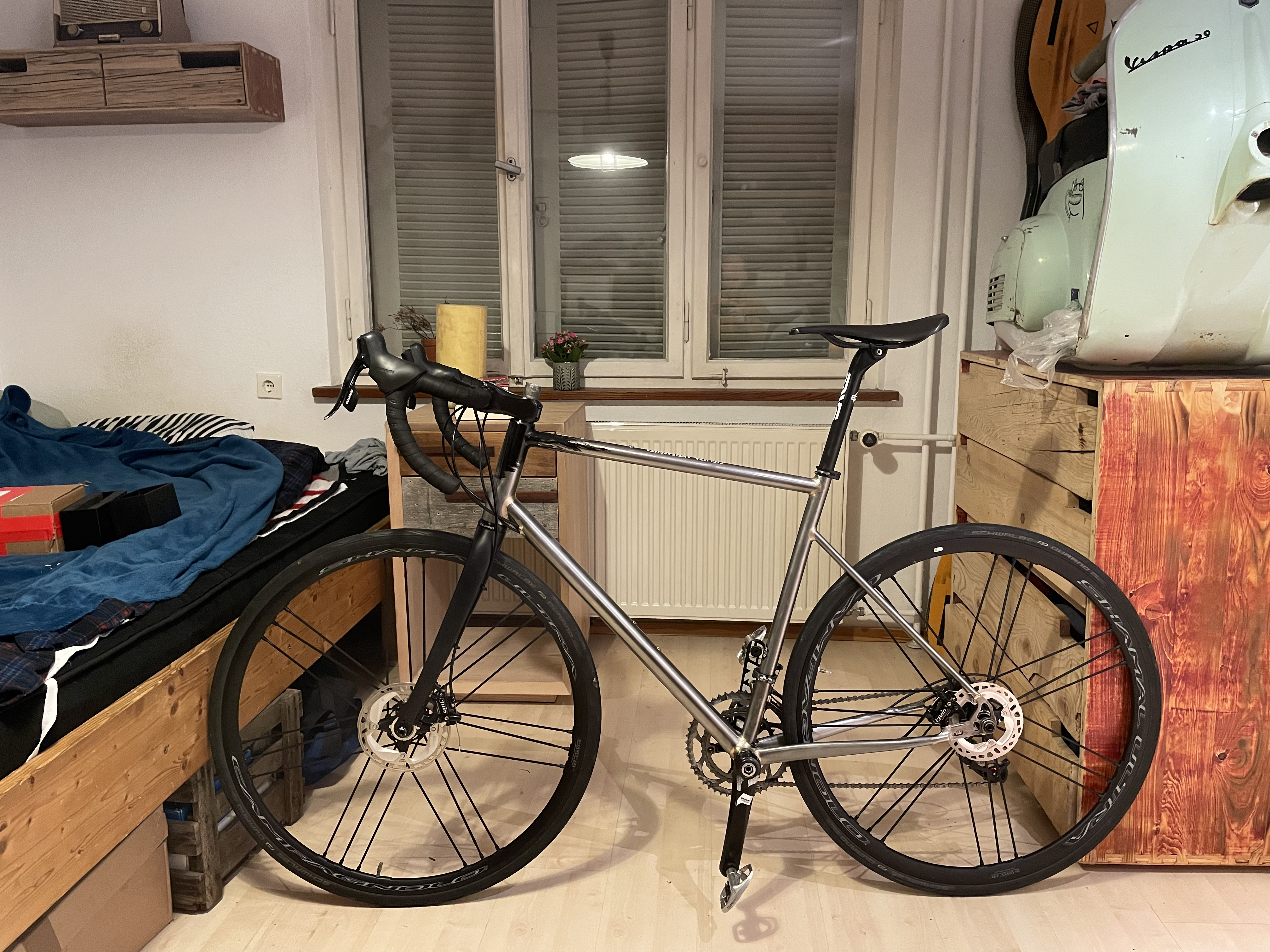
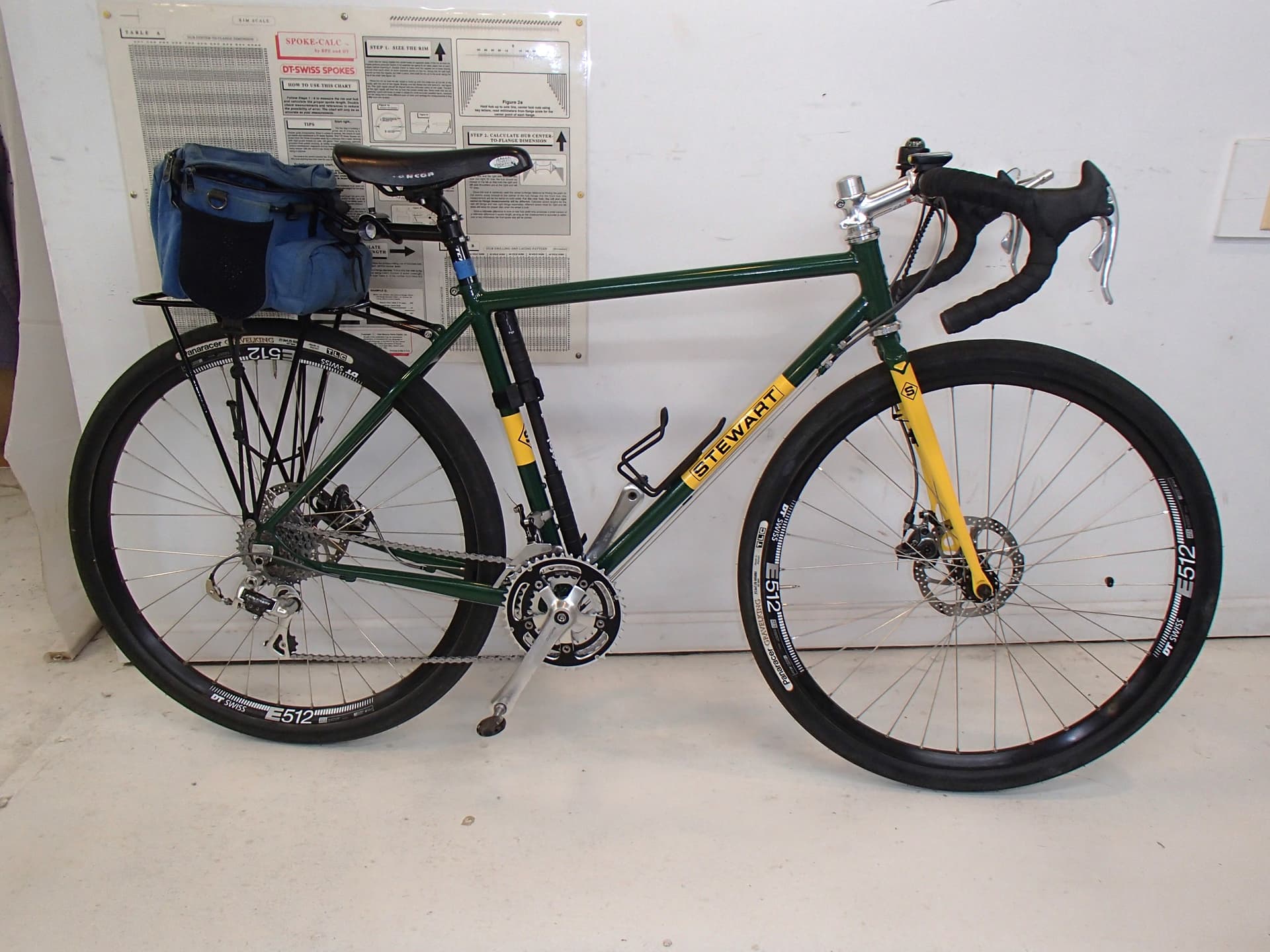

 and a few gramms saved. win win