That makes sense, thank you!
The Devilbiss 525 is a “Continuous Flow” machine, so unless it’s malfunctioning, it should produce a steady flow of O2.
-Jim G
That is my understanding too. The fluctuating flame has actually come back even with the new regulator, and I’ve noticed that it only occurs after the oxygen concentrator has been running for a couple of hours. I opened the machine up, and the compressor was extremely hot to the touch. The other components of the machine naturally got quite warm as well. I suspect that this is where the problem is coming from. So maybe the machine is actually malfunctioning. Or leaving it running with the torch attached for hours on end is not something I should be doing?
Those machines should be able to run for hours on end with no problems.
Are you at the limit of O2 production? Compressor needing maintenance? Oil?
When you’re running the concentrator for hours, is the flame actually on the whole time? If not, do you turn off the torch but leave the oxygen valve open, or do you close the oxygen valve at the torch while the concentrator keeps running?
1 Like
@Matt I always set the flow to 4l before attaching the torch so I don’t accidentally go over 5l. And the compressor should not need any maintenance since the machine has under 400 hours on it.
@Benjamin No, I turn the flame of but I leave the oxygen valve fully open.
It’s been a while but I still wanted to give an update. I ordered an equal pressure torch from the UK and all my flame problems vanished. It’s a lightweight torch and lightweight hoses from Noz-Alls, super affordable and very easy to work with. I would definitely recommend giving them a try if you’re putting together an oxy/propane setup.
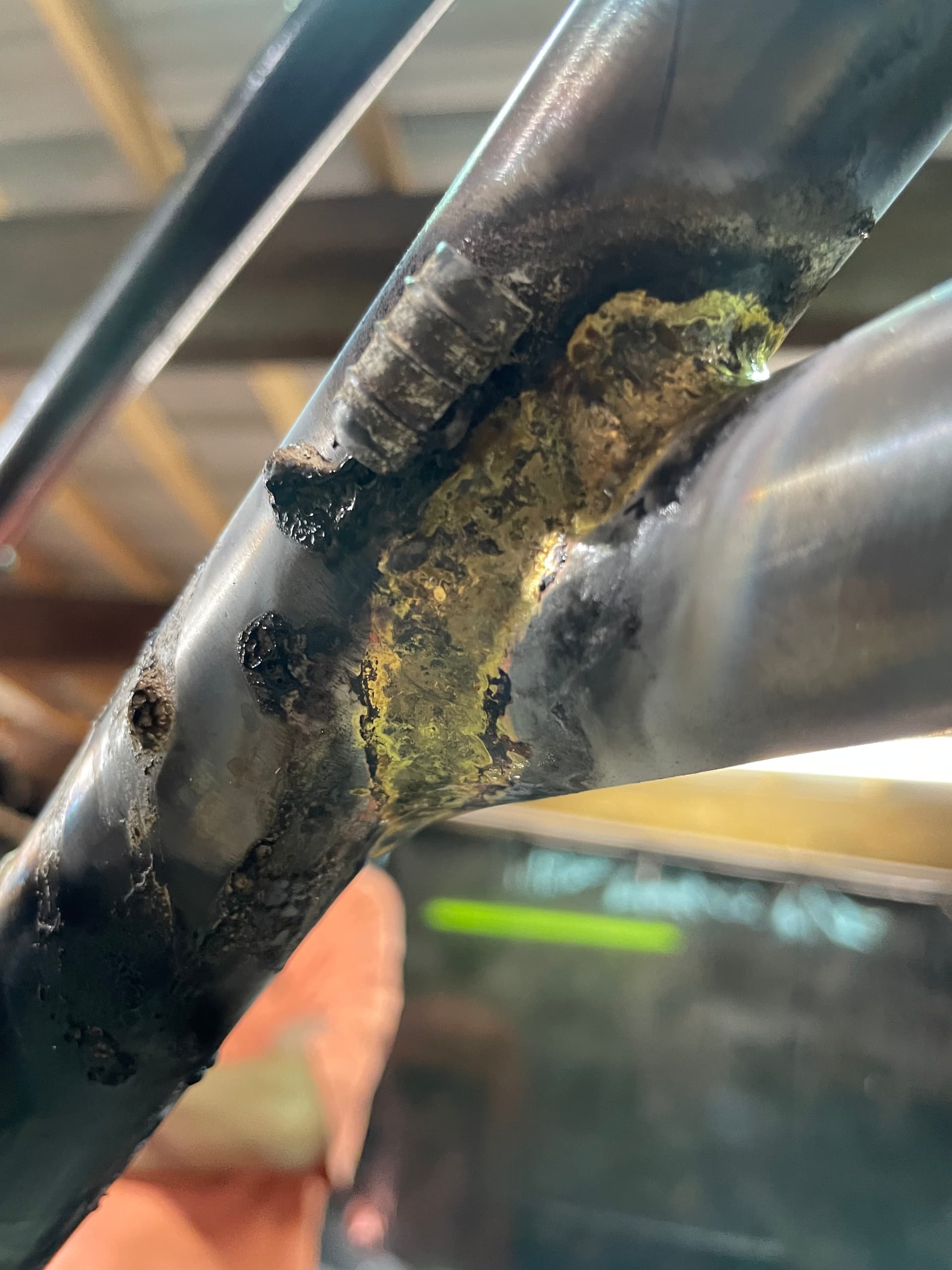
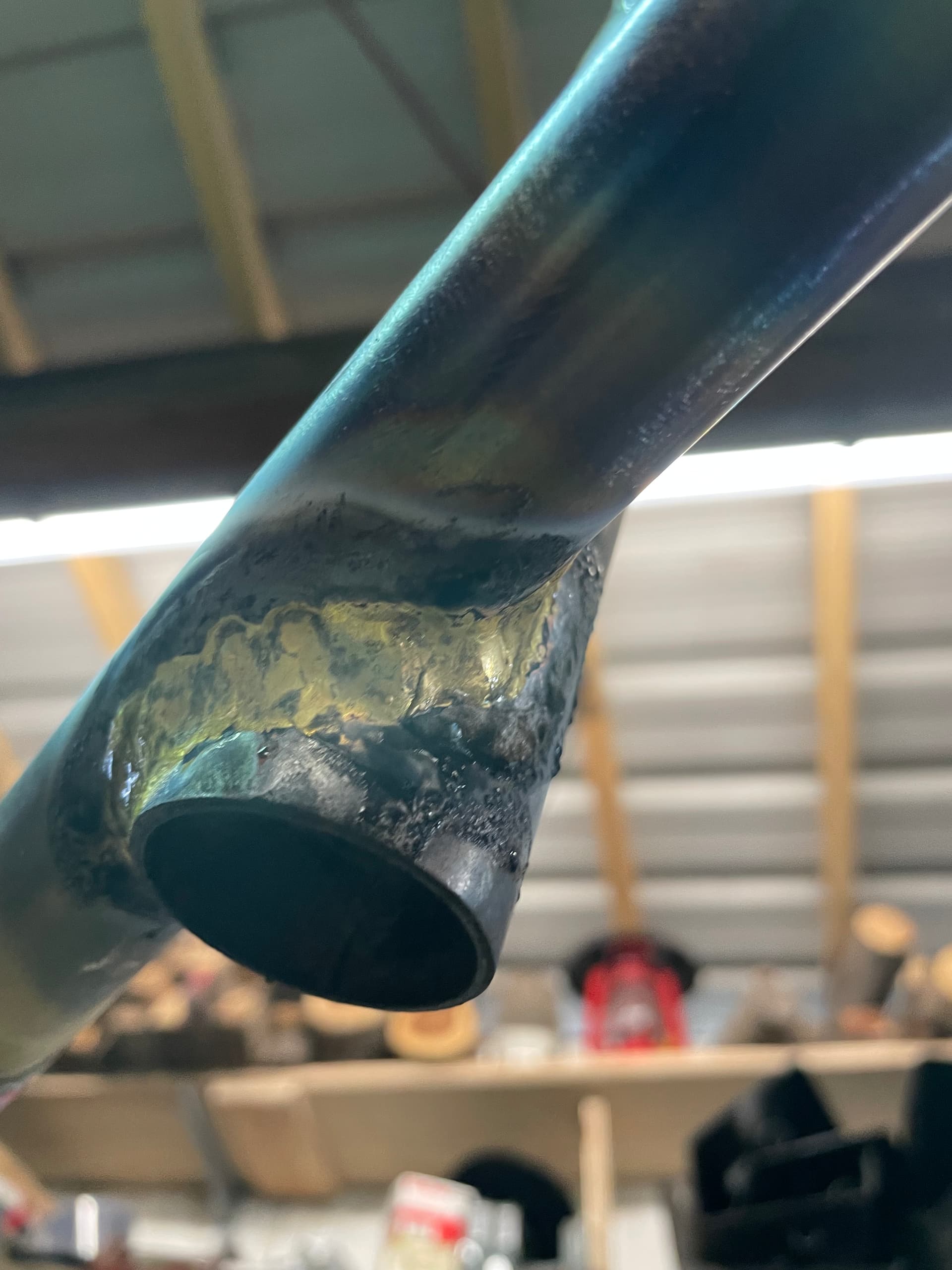
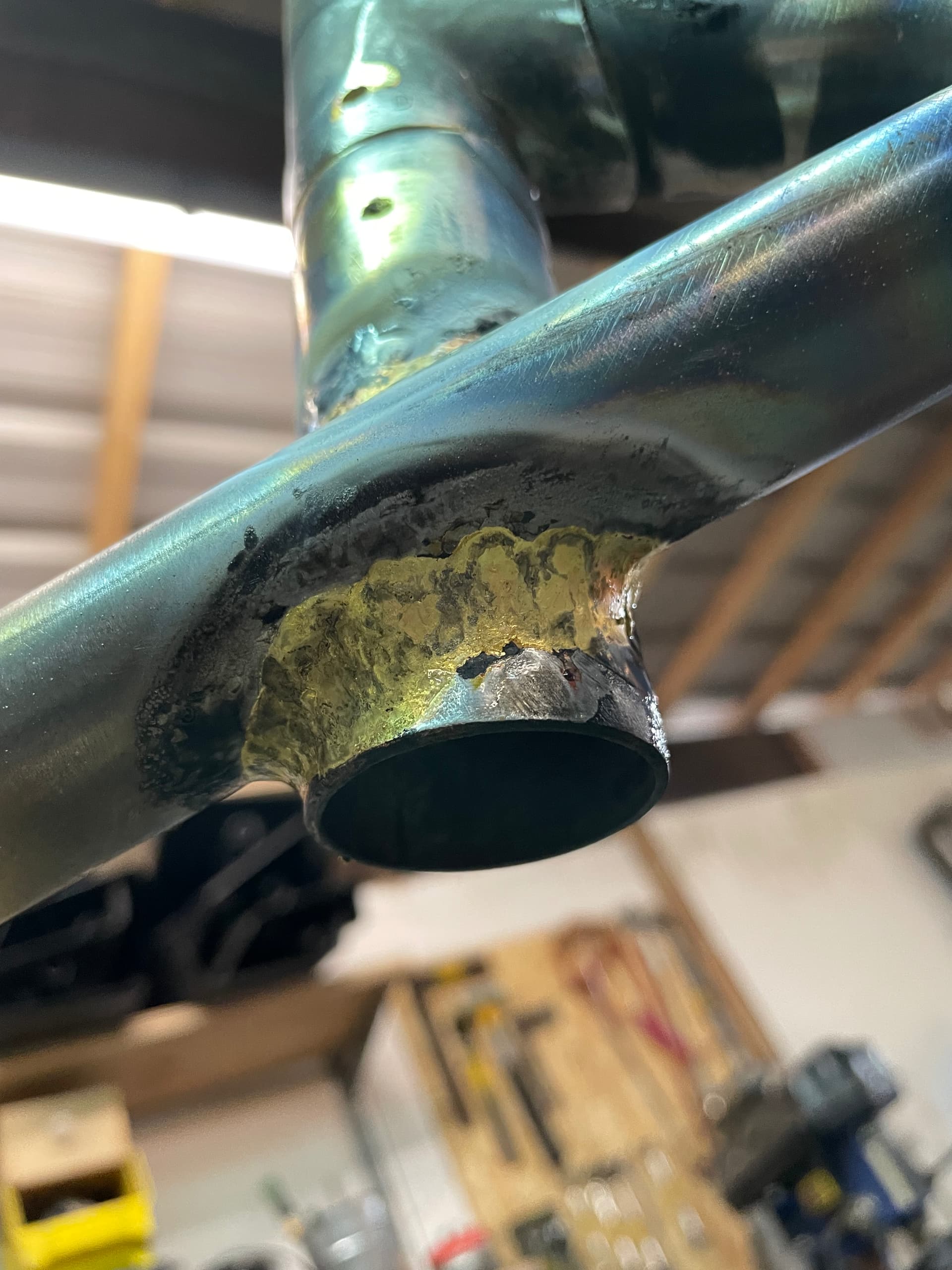
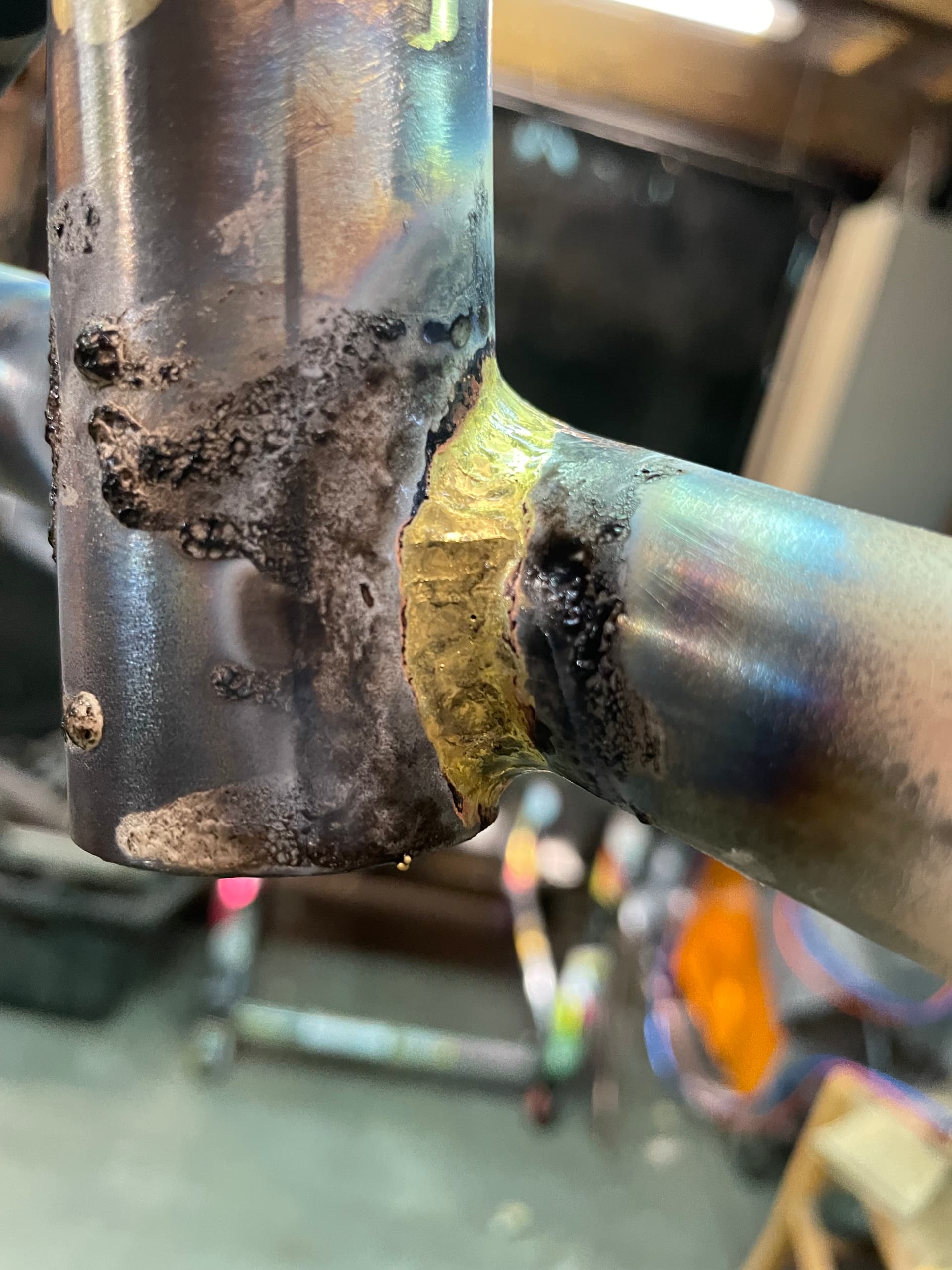
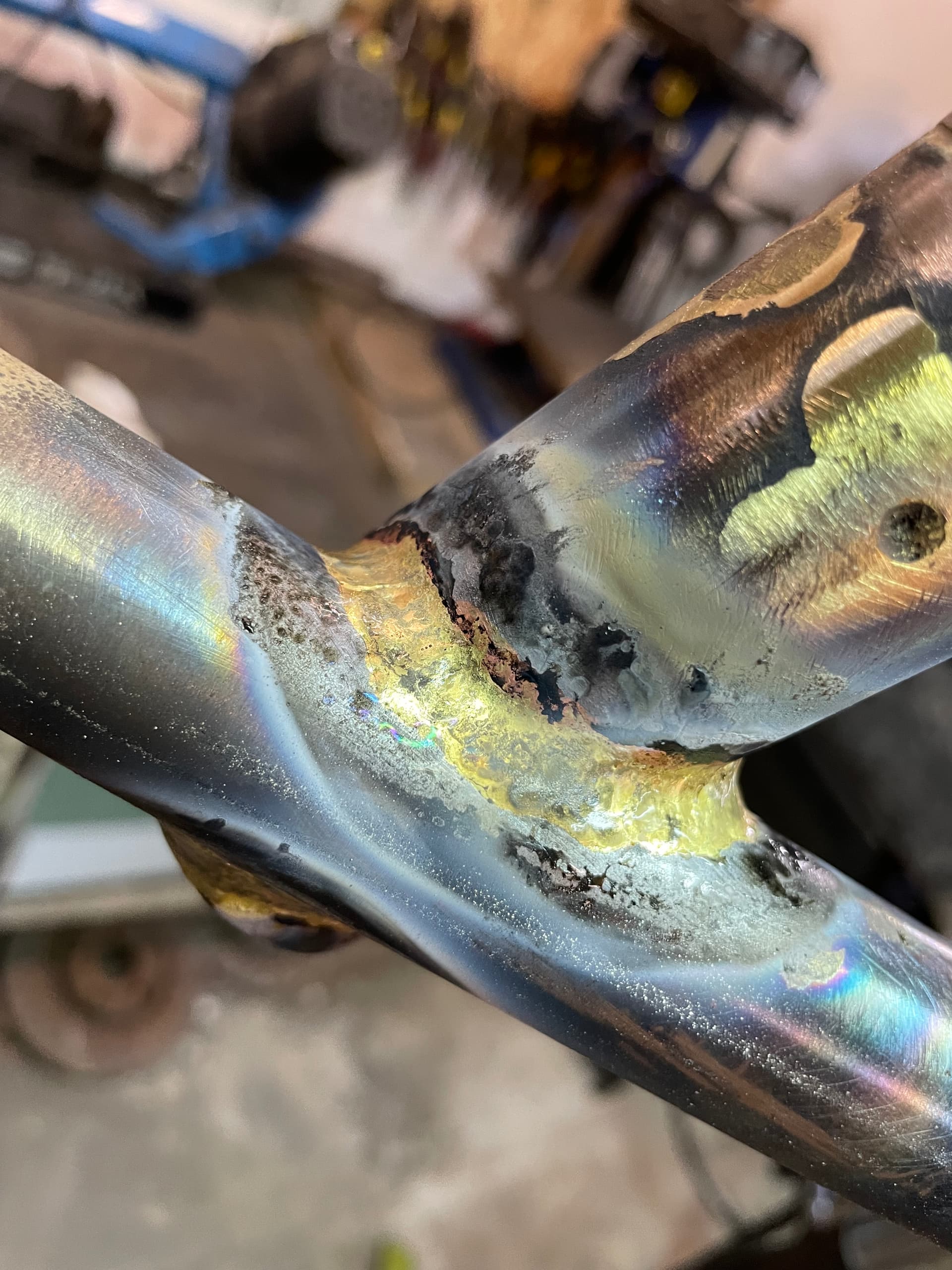
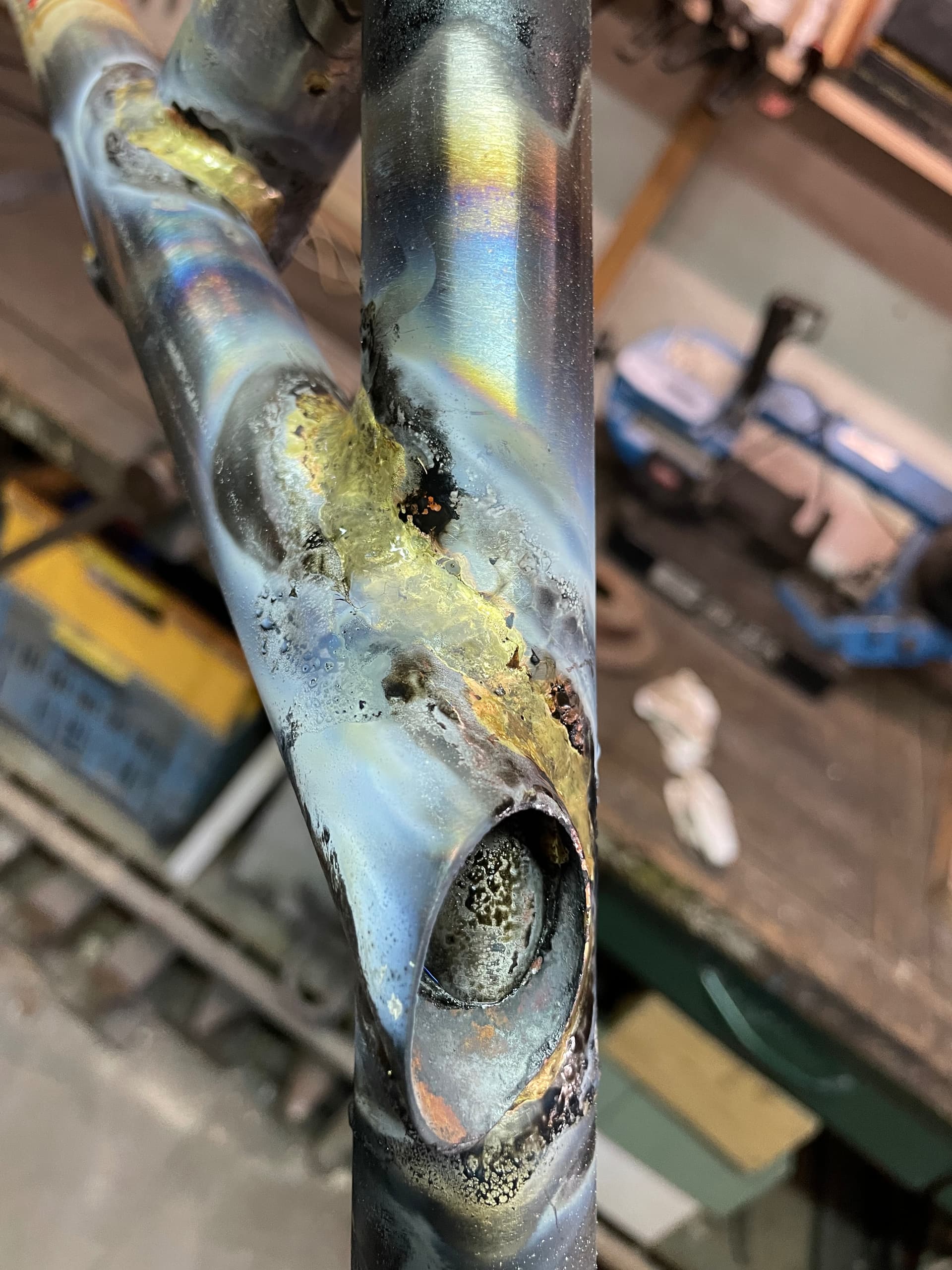
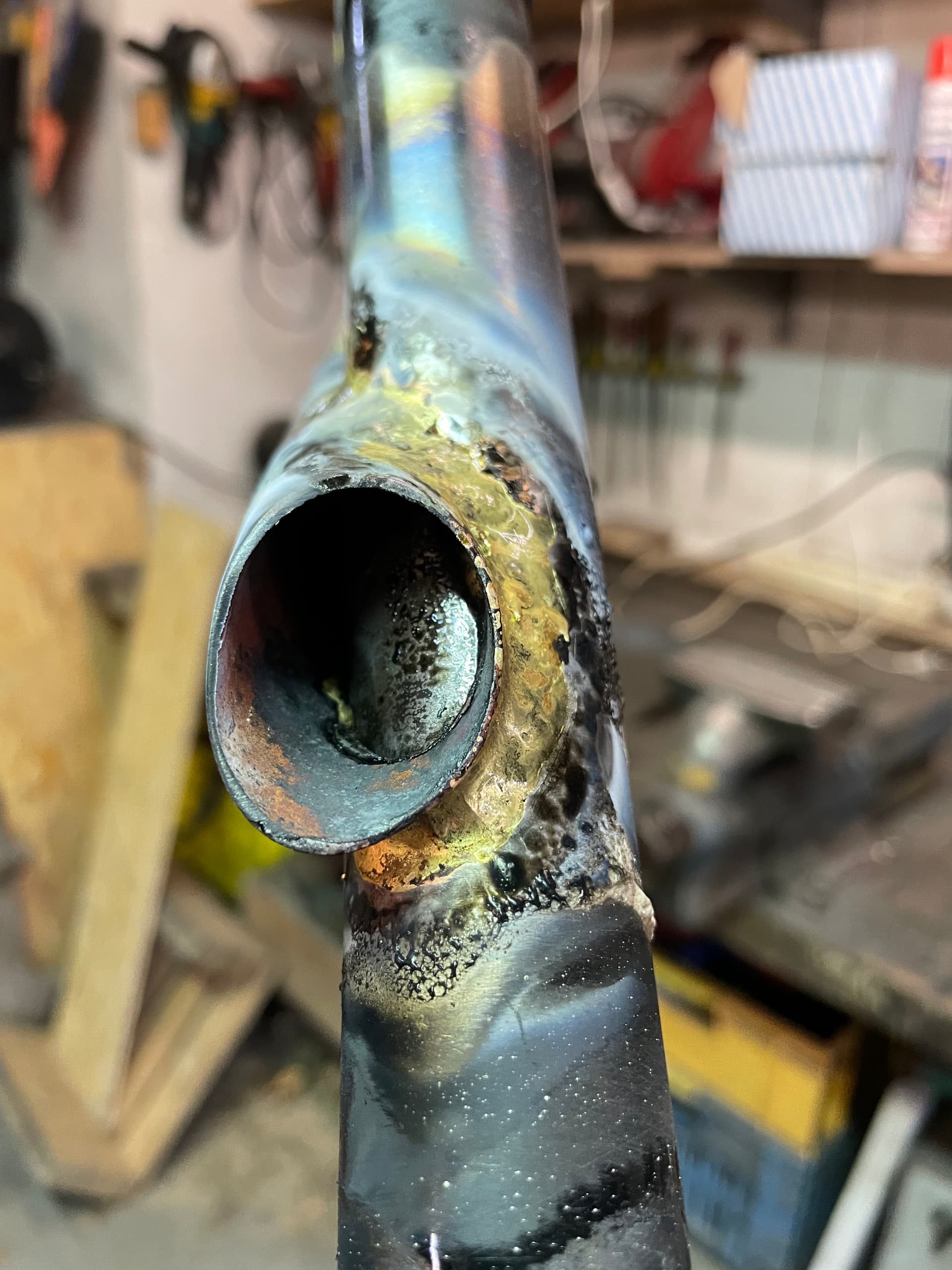
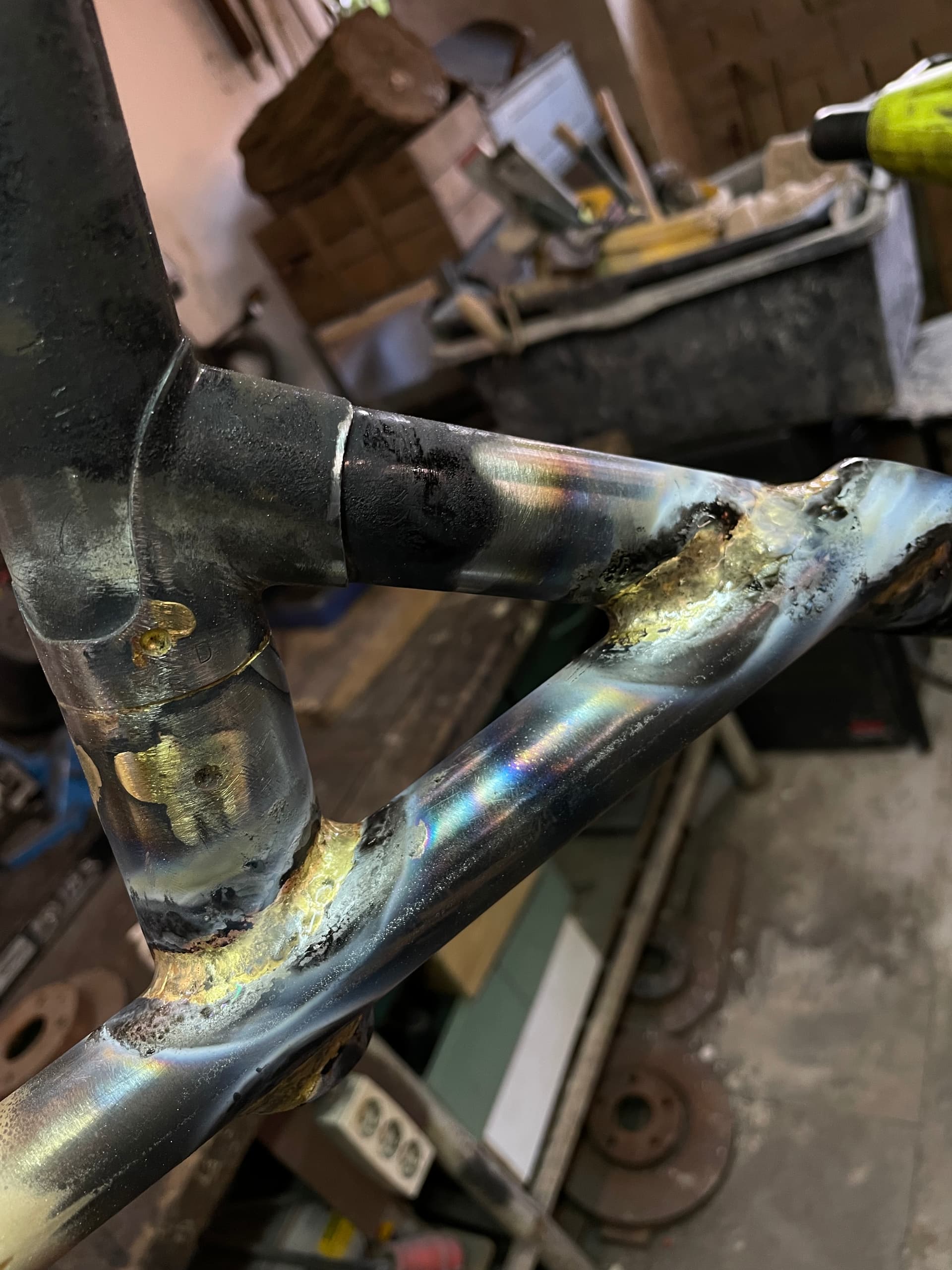
I would also love your opinion/critique on my first real try at fillet brazing. I’m currently building a mini cargo bike from an existing frame and have just finished brazing the cargo support tube. From what I have gathered there are at least three problems:
- There are spots of copper visible at the shore lines, which means that I have overheated the brass(?)
- The angle at which I held the fillet was not optimal resulting in uneven amounts of filler on the different tubes
- My shorelines could be cleaner
Looking forward to some input!
(I hope the amount of images is ok to upload here)
5 Likes
sikocycles Did you end up going with this setup? I have the AW1A/AT61 with a #36 drill size screw on tip, which from what I’ve been able to determine is 0.106”. Supposedly the NE151, 152, & 153 (0.07, 0.076, 0.086 respectively) tips are preferred, but good luck finding them.
If anybody in here knows where a person might be able to acquire the NE series tips, shout it out.
OR….. Is the whole Acetelyne-specific thing just not really that important?
Not yet. Still thinking about it
I actually use acet tips with my propane setup. It’s not ideal as detachement occurs easily but I use silver a lot so I’m not trying to get maximum out of each size tip.
This is what I was taught in trade school as well. the blast of oxygen extinguishes the flame and forces it out from the tip so it doesn’t migrate inward.
I read somewhere that the propane tips have a recess to prevent extinguishing the flame. I wonder if you could use a larger drill bit to create a recess. Wonder if that’d work?
Great conversation, btw. Thanks guys!
1 Like
I keep getting the flame tip detached and completely blown out if I get close enough to a notch on a joint. It’s really annoying. I have to get the flame lit up all over again. Never had this problem with acetylene, but I’m trying to deal with that. I’m using the Victor tips that have the recess in it. There used to be multi-port Tips made for the Meco Midget that were really great because it the multiple ports prevented the flame from blowing out. If I’m not mistaken, bulgie (Mark) has posted about it. These tips really made propane way easier to use.
I’ve found if you really push the output you’ll get detachment easily. Often it’s when a pocket of flux off gasses and blows the flame out. If the propane flame is hissing like an acet flame it’s going too hard in my observation. Back it off so it’s not so angry. Bigger tip if you need more heat.
1 Like
I use O/A for fillets and little stuff and propane with a big Paige tip and low pressure for crowns, shells, lugs etc. The big even flame heats up a lot of area evenly.
I will add that the Paige tips don’t have recess like the Victor ones but have side orifices to stabilize the main central orifice apparently.
1 Like
I never tried the Meco tips. I have Paige tips, made by a one-man operation in Seattle, now defunct unfortunately. Probably pretty similar though I can’t say.
Paige tips, with their ring of supporting flames around the main central flame, are impossible to blow out. Zero instances of flame detaching. They are perfect IMHO, giving a pointed, focused flame. The ring of supporting flames may remind you of a rosebud heating tip at first glance, but they are not rosebuds. Well, except for the actual rosebuds that Paige also made! but the regular tips are more like welding tips than heating tips, excellent for fillet brazing and braze-ons.
Doug Fattic has tried both Paige and Meco extensively and ISTR he slightly preferred the Paige for flame shape, and had some quality-control issues with some Meco tips. Which might have been made by Tinman, I don’t remember. Doug was able to get the bad tips replaced.
But it’s all moot now since neither of those brands are available for sale anymore, that I know of.
There is a company called G-Tec (not to be confused with Gtech) that offers multi-flame tips that look similar, but they say they’re for natural gass, no mention of propane. Their website gives no indication of whether they’d be good with propane, or where to buy them, just “call for a quote”. I would be surprised if Doug F. hasn’t tried them, he’s tried everything else.
Here’s a pic from the G-tec website:
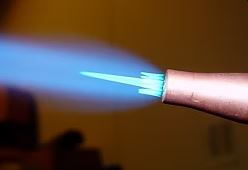
1 Like
ImpGen makes a multiport size 4 tip from Stainless for propane use.
They also have a size run of laminar flow tips that have a single hole, but a specially designed exterior to support oxy-propane use. I bought one, but haven’t used it yet as I’ve mainly been using acetylene.
1 Like
I’ve heard similarly that the smallish multiport tips have a really stable flame. Interestingly, the Paige torch tips and Meco Midget torch tips use the same thread pitch. And the owner Richard Paille (deceased) had torch tip adapters that allowed people with small Victor or Smith torches to connect an adapter and use his Paige tips. Also, what it means is that you could use Meco Midget torch tips if you wanted to… basically your aircraft Victor or Smith torches connects to a Paige adapter which can then connect to either a Paige or Meco tip. I’ve heard that the G-tec multiport tips can only connect to a Victor torch and the side holes might be too big which makes the tip act more like. Rosebud, which can be good for really huge things but not great for most fillet brazing or lugs.
I scoured the internet and found some other forums, both framebuilder forums and some jewelry and lamp making forums. Those hobby industries also have resellers notably selling Meco Midget-compatible multiport tips. Apparently, Meco’s patent or whatever has run its course and there are companies out there making these Meco type of multiport tips, kind of like how you see a bunch of Victor J-28 torch clones out there. Anyway, at least there are these Meco Midget multiport compatible tips available. However, it was only Paige tools that was selling the adapters to allow connection to the small Victor or Smith torch.
1 Like
I’m just propane for everything and at the moment basically only use two different size single flame acet tips. I relly should improve the set up.
Good to know, I thought they were extinct. Have you tried them?
I just searched and found this one that says “TMT style”, probably referring to TinManTech. Is that what you meant or are there others?