Hi all. Building progress is paused due to money priorities, but last night I had a crazy idea for a softtail suspension design with no moving parts. (For like 10-15mm travel, not much but also almost no added weight)
It’s hard to explain exactly what I need because I don’t want to share the design yet, but I need some relatively compact parts that need to be able to slightly bend back and forth without breaking from fatigue, some while under compression.
I see 2 options for this: CNC machining, or 3D printing + smoothing the surface.
Any idea which would be the better option?
Edit: nevermind, I found out PCBway does CNC machining in spring steel pretty sure that’ll be better than 3D printed stainless for springy parts lol
Ritchey Softail is your reference. for one way of doing it….but you said no moving parts so that may mean this is not what you want. For flexible frame sections you need narrow cross sections etc in the direction of flex desired. Whether they are hollow or solid.
Yes that’s the plan my idea is a bit different than previously existing softail designs, in the way that it’s only a tiny little 10-15mm of very progressive travel to take the sting off vibrations.
Indeed no moving parts aka no shock, no bushings, no bearings, no wear items at all. I hope to do it in a way that adds very little weight. (<50g added)
Intended purpose: make touring and hardtail mountain bikes more comfortable without adding maintenance. Maybe even endurance road bikes as well depending on testing.
First steps: 3D print test parts at home in plastic to get an idea of the kinematics.
I’ve been thinking of making one for a while, something like blacksheep’s titanium forks but for seatstays. Either 4 half seatstays total connected with two plates on both sides or a wishbone with two parallel plates, like a biplan fork. I’d probably use round 3/4” chainstays to promote flex, or maybe even a horizontal plate as a yoke, like the luddite ones but just halfway. I’d love to brainstorm too
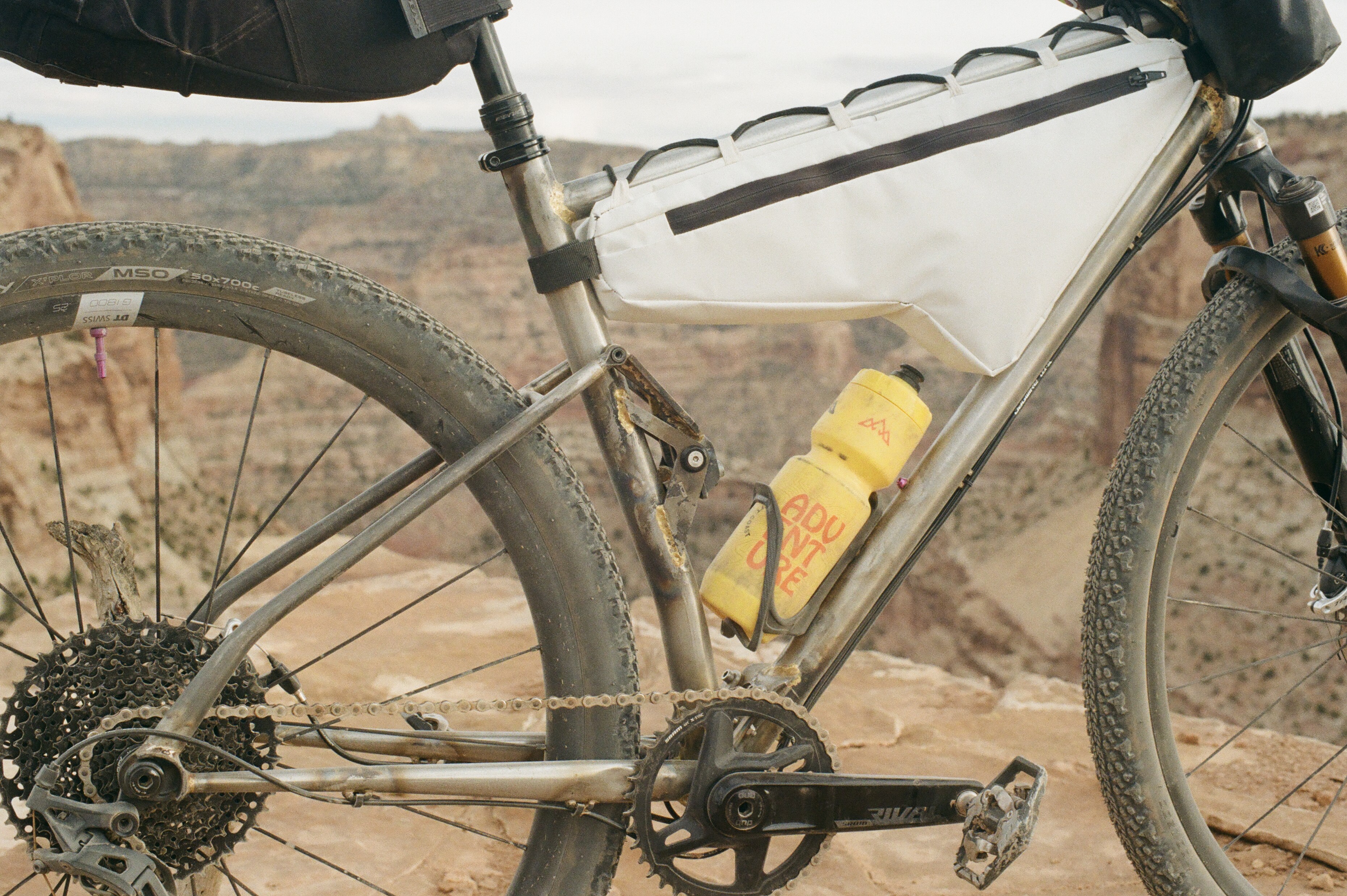
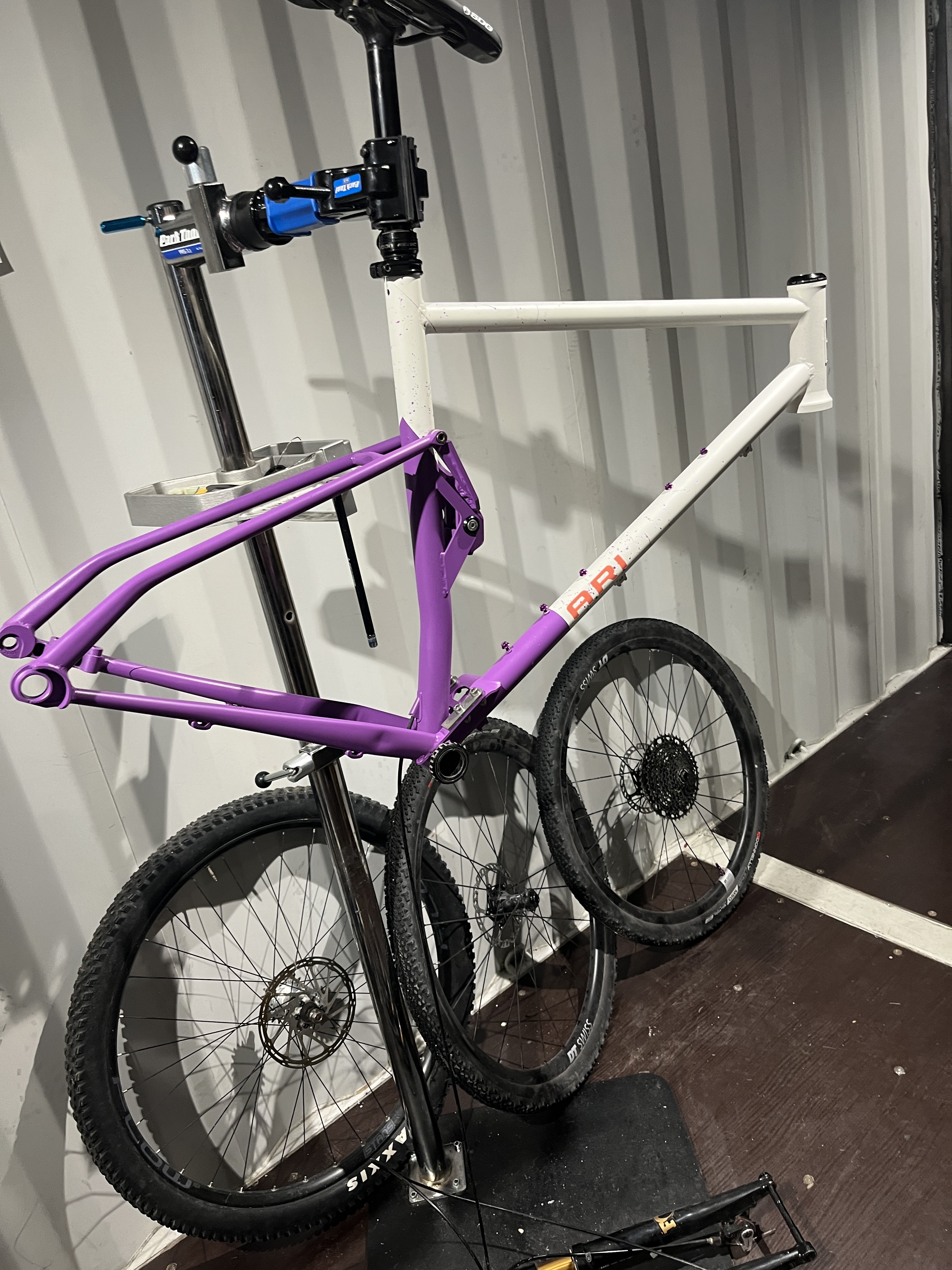
I recently experimented with some rear travel in a gravel setting. I was aiming for more travel with minimal extra parts. I had seen many carbon bikes with elastomers but they used the elastomer inline with the seat stays and that limited the effectiveness of the “suspension” and the travel down to 10mm or less, often only 3-5mm. This design uses a rocker link to change the leverage ratio of the rear wheel movement to elastomer compression. The design uses longboard/skateboard bushings. They come in many hardnesses and worked perfectly in this application. I think I estimated between 20-30mm of rear wheel travel, maybe more. The flexible part is just some 4130 plates that I brazed the chain stays to and bolted to the downtube. It’s a prototype (hence the super heavy rocker link) so I wasn’t super concerned with longevity. If the idea was sound and there was a market for the final design, it would have been made out of carbon for the bike company I work at. The idea worked fantastically, but “gravel” is such a weird market and this idea didn’t make it past this phase.
I sometimes still ride the bike. It floats along washboarded roads and is honestly quite fun. I sometimes wish we would have made a production version.
I think the difficult proposition is that “gravel” is basically two separate categories now and it’s hard to see where this bike fits (for a smaller brand). “Gravel Race” wouldn’t be on board because the extra weight and complexity in a race bike wouldn’t be welcome. Most competitive gravel race bikes are nothing more than aero bikes that fit 55mm tires. “Gravel Adventure” on the other hand, is not usually the sort to want extra complexity or parts that could fail when you are 3 days into a month long tour. At a time when the bicycle industry is seeing some financial strain, the best option was to make a really good simple gravel bike.
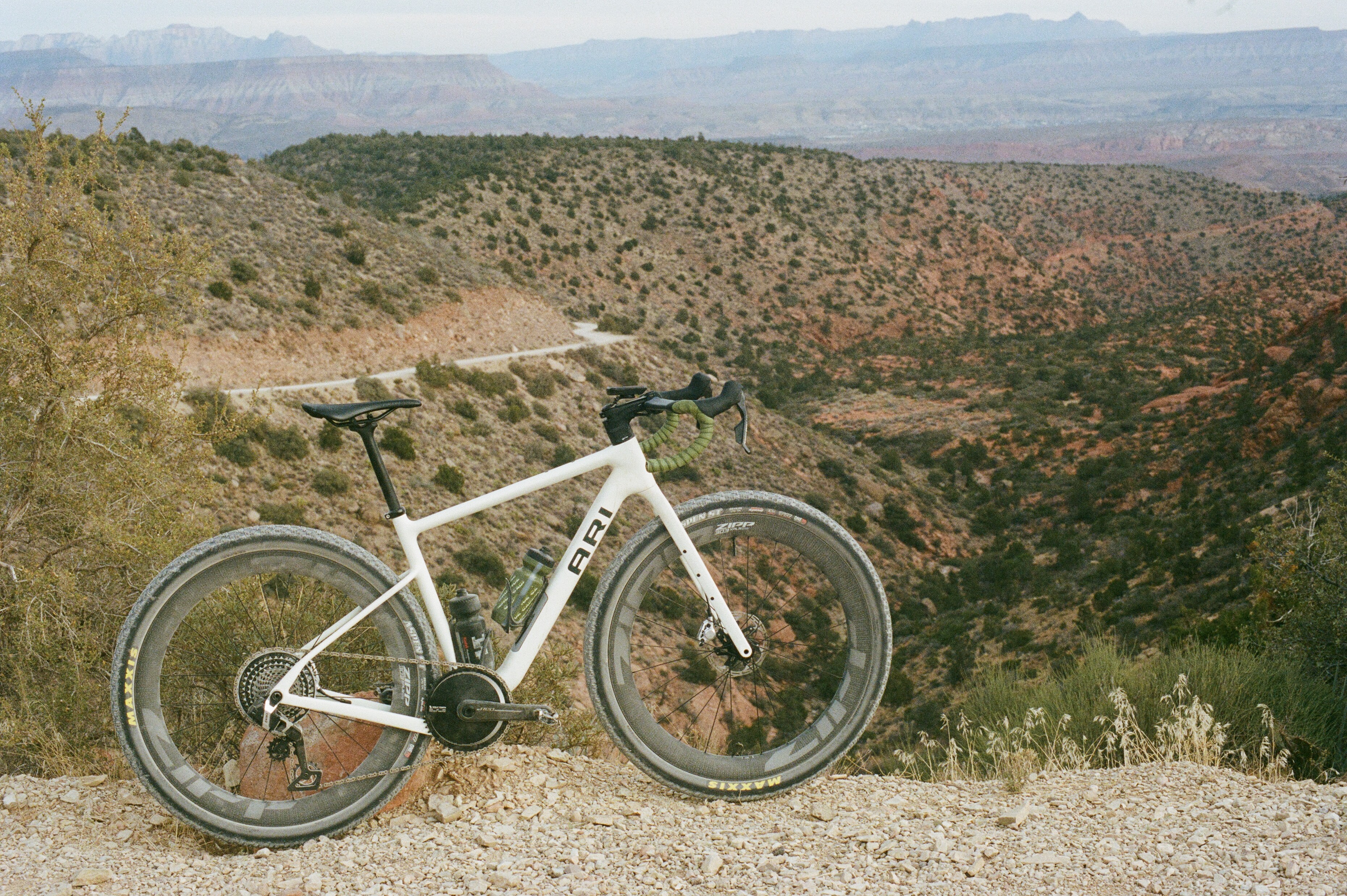
(not self promoting here, but I’m proud of my design work)
Yes, this and touring is more the kind of thing I want to aim for with my concept
Nothing wrong with being proud of your work! I love how the seat tube bottle sits way down into the BB area. I’ve never understood why some manufacturers place their bottles so high up. Lower is better for bags and for weight distribution for handling.
This looks great! Are the chainstays themselves flexing at the bb? If so do you think having a smaller vertical cross section would help get more travel? Or does it flex from the mid section? I for one think its not overbuilt, the most maintenance heavy part in a suspension is the shock anyway, this probably runs for thousands of miles before having to check it right? I imagine with something like a Lauf fork you could ride some chunky stuff all day, would be kinda like a cannondale topstone with the lefty option
This photo might show it best. I brazed the chain stays to some flat plate and then bolted that to some more flat plate that I had brazed to the downtube.
You could look at flexure design if you haven’t already. There are some flexures that can take compression. But generally not very much. It’s better to keep them in tension
that BB/yoke flex pivot - has inspired some great thinking for an entirely different problem i am trying to solve. Thanks for the share - will up date you in the event i can solidify the thinking a bit further. d
 pretty sure that’ll be better than 3D printed stainless for springy parts lol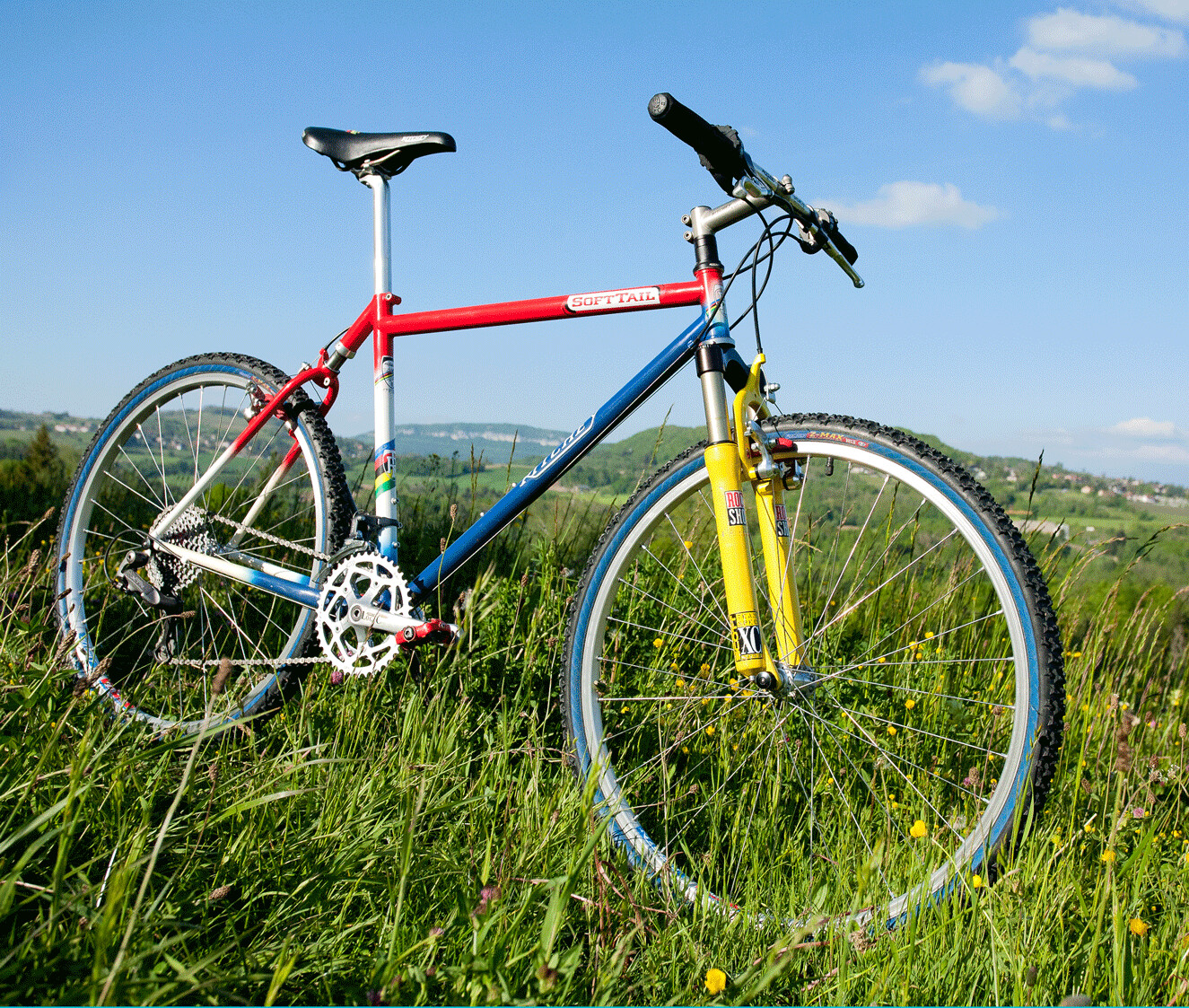

 my idea is a bit different than previously existing softail designs, in the way that it’s only a tiny little 10-15mm of very progressive travel to take the sting off vibrations.